



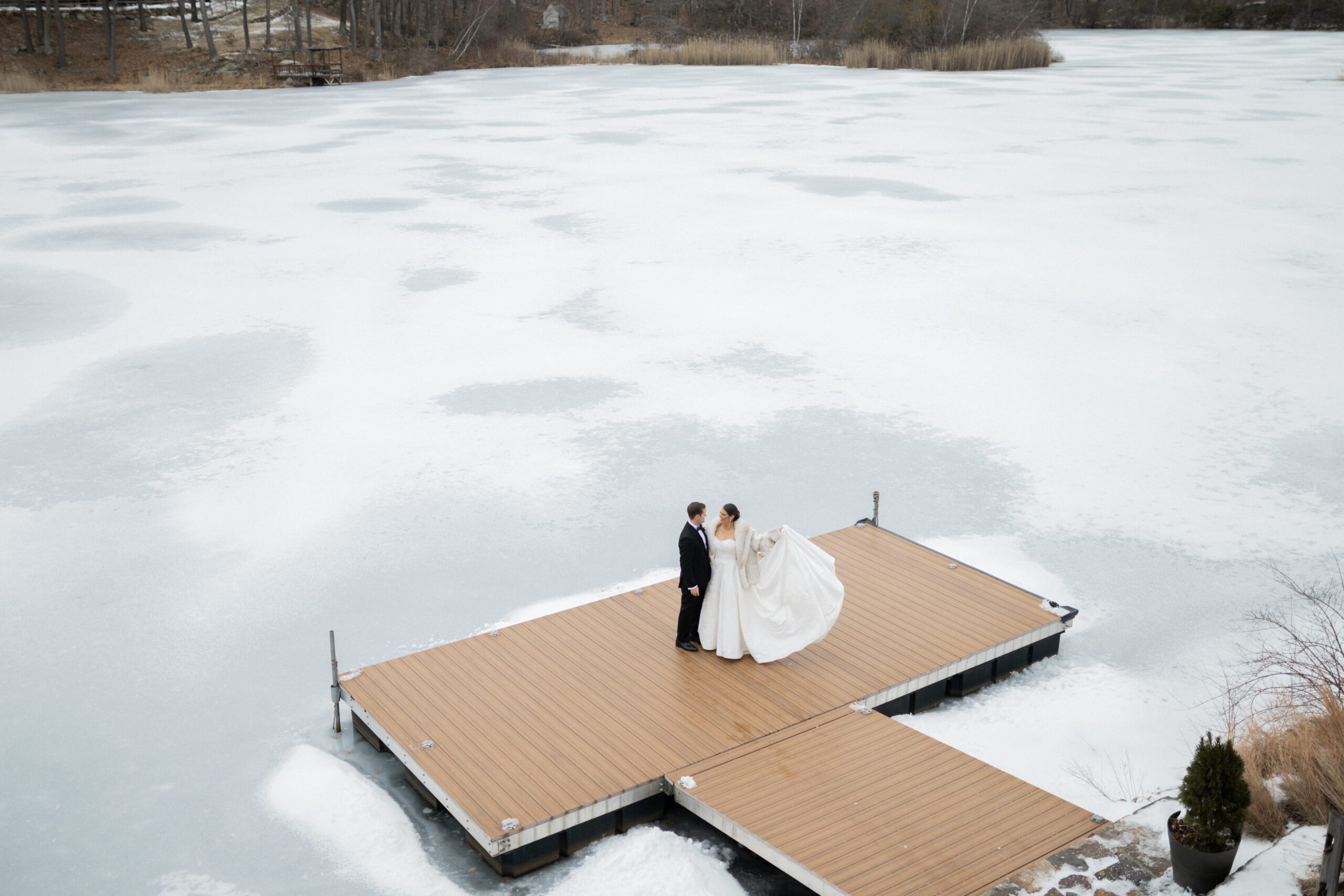
We may be some of the few people in New England who genuinely don’t mind the snow. Whether it’s the first real snowfall, family ski trips, or even the familiar sights and smells of the holidays, the winter season has always been a favorite for us and our families.
(And then of course, there’s that wonderfully strange week between the holidays and New Year’s when nobody seems to know what day it is, and normal life, for all intents and purposes, is temporarily suspended; whether you want to stay in your pajamas, eat leftovers at 10 a.m. or even watch a movie in the middle of the afternoon – seriously, nobody’s judging.
Maybe that’s part of why we’ve always had a soft spot for winter weddings too. Everything’s decorated for the season. The rooms feel more intimate. Black tie somehow feels even more black tie. We’ve got good food, good music, everyone we care about, and nowhere else we need to be.
After 17 years of photographing weddings, we’ve also learned that winter weddings reward couples who embrace the season instead of trying to work around it. There are a few things you’ll want to think about differently: the light, the timeline, your venue, the weather, and especially your guests’ comfort. But get those things right, and winter isn’t something you have to overcome. It becomes one of the best parts of the wedding.
Of course, as much as we love winter weddings, they do come with their own set of quirks. An early sunset can completely change your timeline. That beautiful outdoor ceremony space you fell in love with might not matter quite as much in January. And while a surprise snowfall can make for some incredible photos, it can also make getting 150 people from a hotel to your venue a little more interesting.
So, if you’re thinking about getting married in the winter, here are some of the things we’ve learned over the years that are worth knowing before you start planning.
Winter Weddings Have a Vibe All Their Own
You know that black tux you love, but everyone keeps warning you might be a little ambitious for a 90-degree July afternoon?
In the winter? It’s perfect.
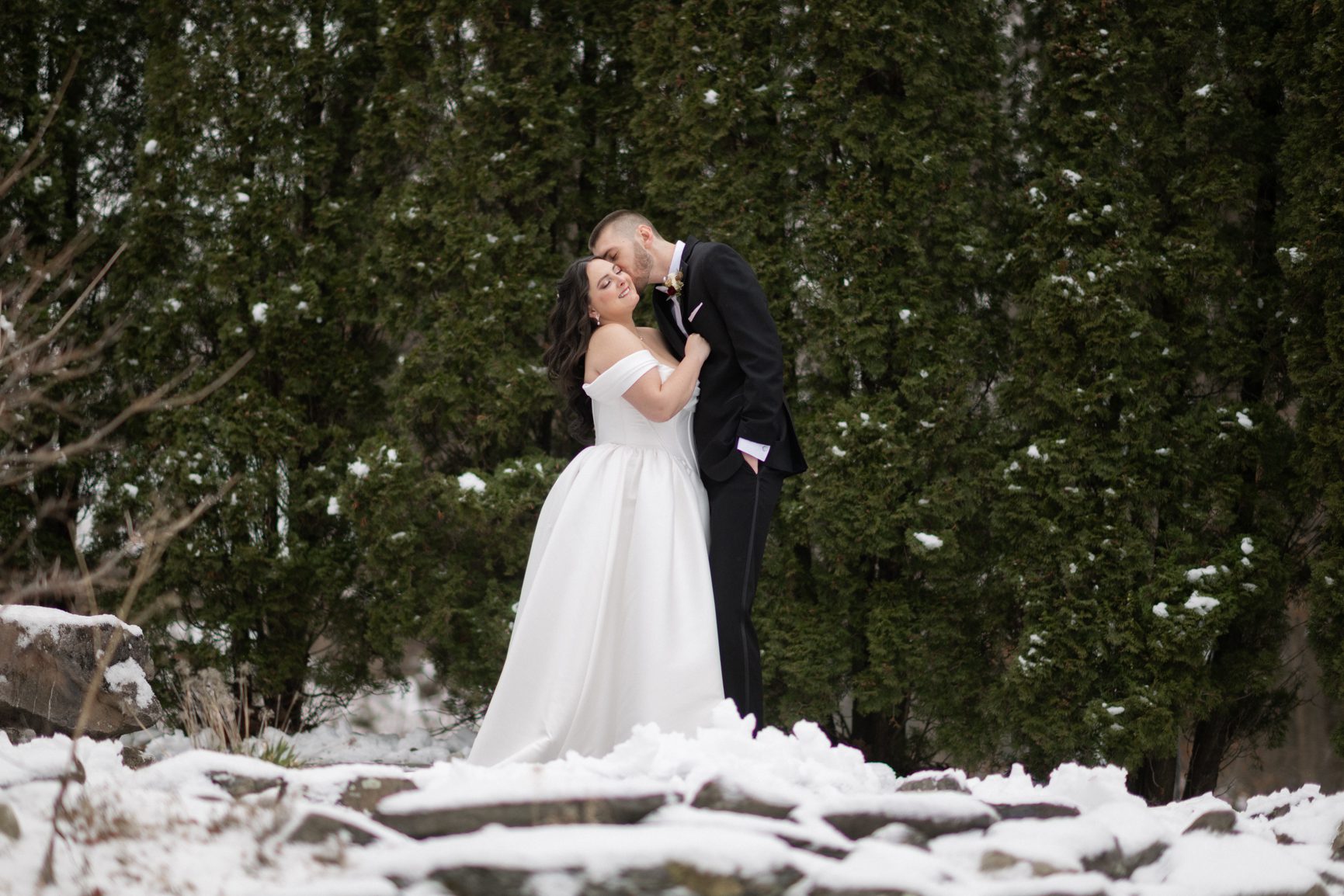
Same goes for velvet jackets, long sleeves, satin gowns, darker colors and all those little details feel just a little bit more at home when there’s a chill in the air. Winter weddings let you lean into a more formal look without asking half your wedding party (and your guests) to quietly sweat through it.
By the time your guests arrive to your gorgeous reception, the sun will probably begin to set, and everything will begin to glow. The trees and decor around you are wrapped in holiday lights, with candles flickering on the tables. Imagine the chatter of your guests over soft music as you meander throughout your criminally delicious cocktail hour. It’s exactly how you see it in the movies.
That’s really what we love about winter weddings. They don’t feel like a colder version of a summer wedding. They have an atmosphere that’s completely their own. Whether you’re overlooking the NYC skyline or tucked away at an estate somewhere in the hills of New Jersey, there’s something about having everyone you love together, warm inside, while the rest of the world is cold outside.
So if you’ve already decided on a winter wedding, lean into it. And if you’re still considering one, don’t think of winter as the “off season.” With the right venue, the right details and a little thoughtful planning, it might end up being exactly the kind of wedding you’ve been picturing all along.
Choose a Venue You Love From the Inside Out
This might be our biggest piece of advice when choosing a venue for a winter wedding: make sure you love the inside just as much as the outside.
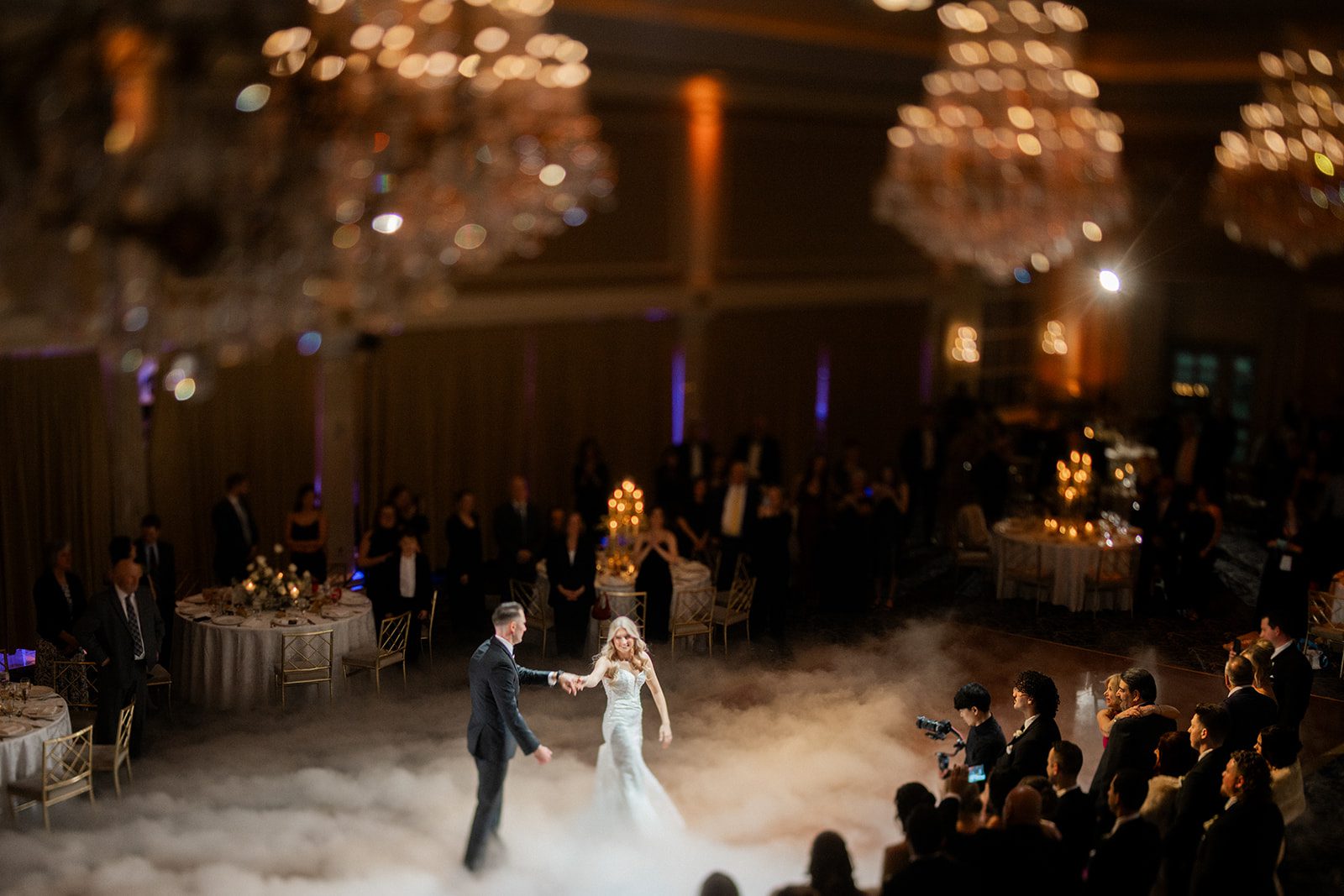
When you’re touring venues, pay attention to the spaces you might normally walk right past. The staircase. The lobby. A library or bar tucked away somewhere. Interesting hallways. Big windows. Beautiful architecture. These are all places that can become incredible backdrops for portraits when you know how to use them.
The same goes for the spaces your guests will actually experience. Does the indoor ceremony space feel like somewhere you’d be excited to get married? Is cocktail hour somewhere people will actually want to hang out for an hour? Are the getting-ready rooms beautiful and spacious enough for the people who will be spending half the morning in them?
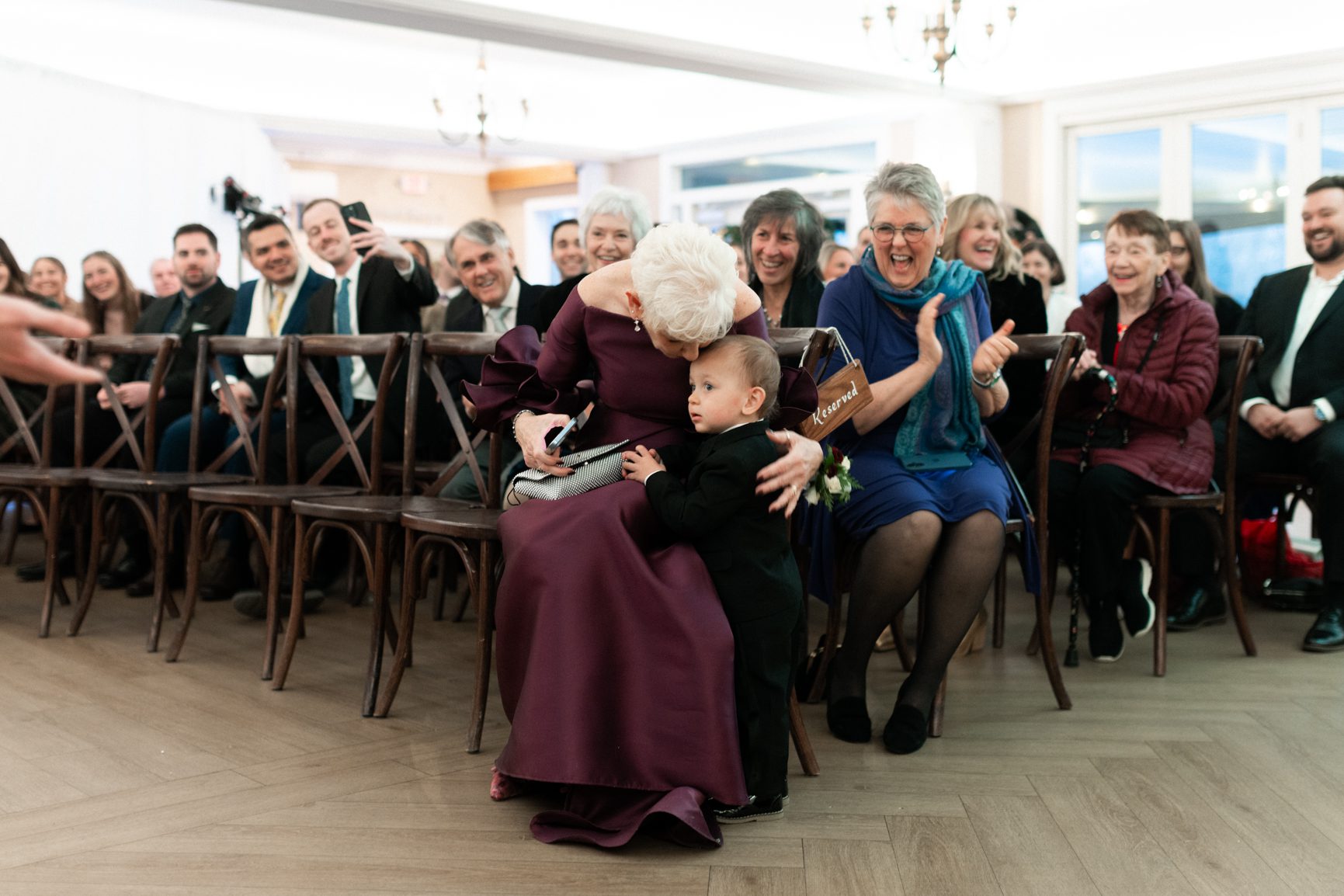
And when it comes to photos, our advice is pretty simple: plan on doing your family and group photos indoors. If it happens to be 45 degrees and gorgeous outside, great. We can always change the plan. But just because you love the winter doesn’t mean everyone else does. Your wedding party will probably suck it up and stand outside in 30-degree weather because they love you. Grandma probably will too.
But if we’re being honest, we’re probably keeping Grandma inside :).
This is also why it’s important to hire a photographer who knows how to photograph indoors. Beautiful window light is wonderful when it’s available, but winter weddings can mean darker rooms, mixed lighting and spaces where there simply isn’t enough natural light to work with. Your photographer should be just as comfortable creating their own light as they are using the light that’s already there.
So while you’re touring, imagine your actual wedding day happening inside those walls. Where would you do your first look? Where could 25 people comfortably fit for family photos? What would happen if you never went outside at all?
If your venue checks off all these boxes, you’ve probably found the perfect place for a winter wedding.
Embrace Winter Instead of Trying to Make It Summer
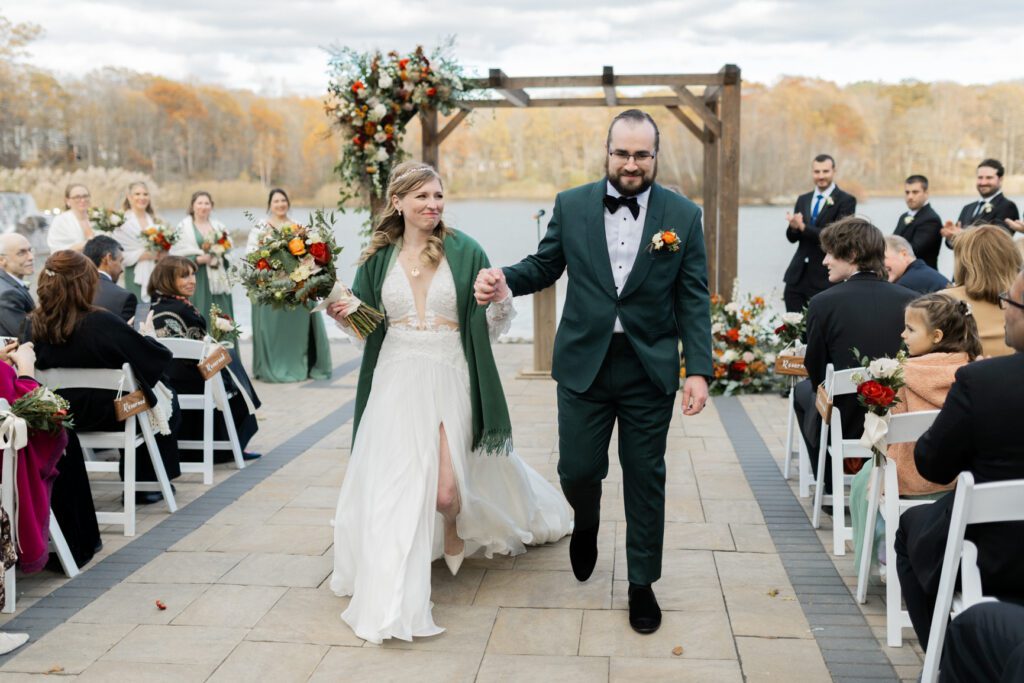
One of the best things about planning a winter wedding is that you get to lean into everything that makes the season feel like winter in the first place. Candlelight. Rich fabrics. Interesting textures. Moody lighting. Deep greens, burgundy and plum. Black and white with metallic accents. Warm neutrals. Evergreen, branches and seasonal florals. There are so many directions you can take it.
But embracing winter doesn’t mean your wedding has to look like the North Pole.
Winter can simply be the inspiration rather than the theme. Think hundreds of candles in a darker ballroom. Beautiful typography on textured paper. Velvet ribbons around place cards. Gold or silver accents catching the light. Bare branches mixed into florals. Deep colors against warm lighting. Or go completely in the other direction with whites, creams and greenery. You can borrow the textures, colors and atmosphere of the season without making your wedding feel like an extension of the holidays.
This is also a fun place to bring a little more personality into the experience. Maybe there’s a hot chocolate station because you both grew up drinking it after playing in the snow. Maybe your signature cocktail is something warm and seasonal. Maybe you love that cozy, dimly lit restaurant feeling and decide to fill the room with candles. Your stationery, menus, place cards, linens and florals can all reinforce that feeling without any single detail having to scream WINTER WEDDING!
The point isn’t to build your entire wedding around the fact that it’s January. It’s to take advantage of what January gives you. Pick the parts of winter you actually love, have some fun with them, and let the rest of the wedding still feel completely like you.
The Early Sunset Changes Everything
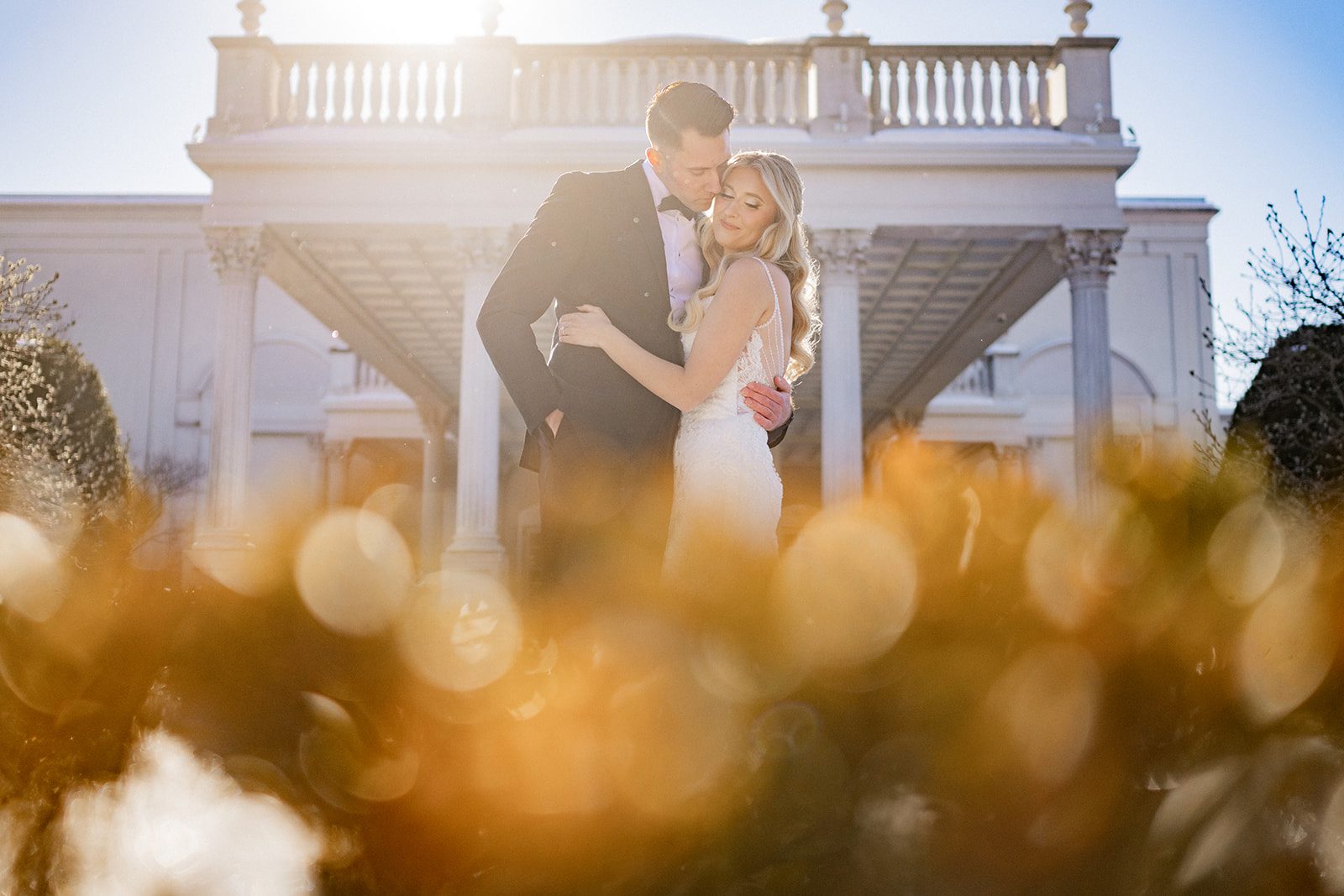
Here’s one of the biggest things couples underestimate when planning a winter wedding: you have a lot less daylight to work with. In December around New York and New Jersey, the sun can start setting around 4:30 PM. And while we can absolutely make beautiful photos after dark, if you want any of those outdoor portraits with natural light, we need to be a little more intentional about when they happen.
Our best advice is to build your timeline backward from sunset. If sunset is at 4:30, we don’t want to start your portraits at 4:30. Depending on the location, buildings, trees and the weather that day, we may start losing useful light well before the official sunset time. So if outdoor photos are important to you, we’ll usually want the important stuff finished earlier than you might expect.
This is one reason a first look can be incredibly helpful for a winter wedding. Let’s say you’re having a 5:00 PM ceremony in December. If you wait until after the ceremony to see each other, it’s going to be completely dark by the time we get to your couple portraits, wedding party and family photos. With a first look, we can see each other earlier, spend some time outside while we still have daylight, photograph your wedding party and families, and have most of the formal photos finished before the ceremony even begins. Then you can actually enjoy cocktail hour instead of spending the entire thing taking pictures.
And remember to factor in travel time. If you’re getting ready at a hotel, doing your first look somewhere else, and then traveling to your venue, those 15-minute drives have a funny way of becoming 25 minutes on a wedding day. Add winter weather or NYC/NJ traffic to the equation, and suddenly that little bit of daylight you were counting on disappears pretty quickly.
None of this means you need to rearrange your entire wedding around your photographs. It just means we need to know what matters most to you. If you’ve been dreaming about daylight portraits overlooking the NYC skyline, tell us. If you’d rather skip a first look and have that moment happen when you walk down the aisle, tell us that too. We can build around either choice.
The sun is really the only wedding vendor whose schedule we can’t change. Once we know when it’s leaving, we can plan everything else accordingly.
Have a Weather-Proof Plan, Not a “Perfect Weather” Plan
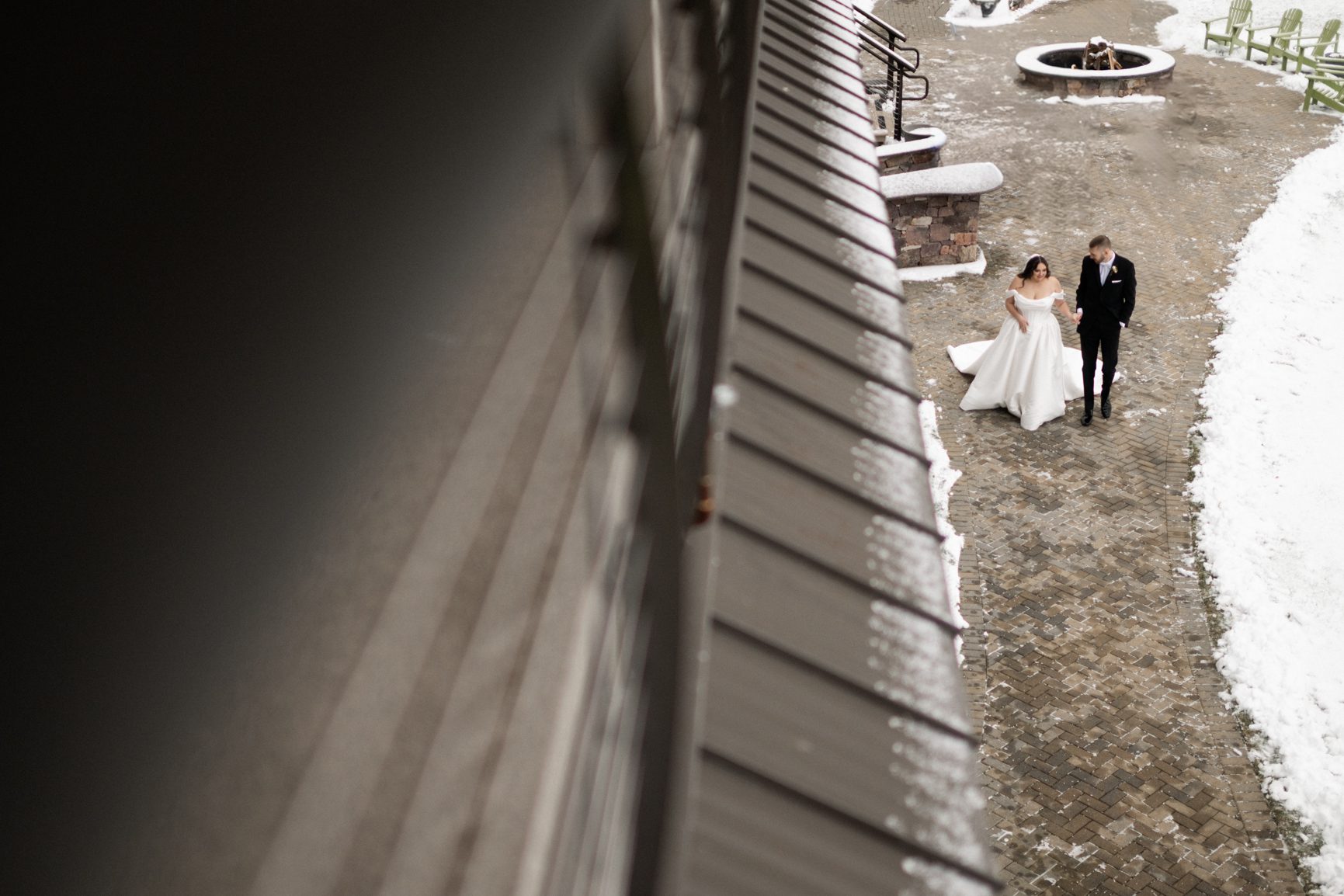
If there’s one thing we’ve learned about winter weather in New York and New Jersey, it’s that you really have no idea what you’re going to get. It could be 25 degrees with six inches of fresh snow on the ground. It could be 48 and sunny. It could rain sideways. It cold even be one of those those bizarre winter days when you walk outside without a coat and completely forget we’re still in January.
So rather than planning a wedding that only works if it’s 42 degrees, sunny and windless, plan a wedding that works regardless of what happens outside. Know where your indoor portraits will happen. Look for covered areas around your venue. Have umbrellas available. Bring a pair of shoes or boots you don’t mind getting wet. And if you’re traveling between a hotel, ceremony and reception, give yourself a little extra time. A drive that normally takes 20 minutes can very easily become a whole hour.
This is especially important if you’re dreaming about snow. We get it. Fresh, fluffy snow on a wedding day can be absolutely beautiful, and if it happens, we are 100% going outside to play in it. But anyone who has survived a few winters around here knows that not all snow looks like a holiday movie. Sometimes it’s wet and heavy. Sometimes it turns to slush. And sometimes that beautiful white snow from three days ago is now a gray pile on the side of the road that you definitely don’t want anywhere near your wedding dress.
So don’t choose a winter wedding because you’re counting on snow. Treat the snow as a bonus. Plan a wedding you’ll love if the ground is completely bare, and if you wake up that morning to everything covered in fresh white snow, congratulations. You just unlocked the bonus level.
The same philosophy applies to your photos. Have an indoor plan that you genuinely like, not one you reluctantly accept as the backup. If the weather is beautiful, we can head outside. If it’s freezing, maybe we go out for ten minutes instead of an hour. If it rains, we grab umbrellas or find a covered spot. And if the weather is truly miserable, nobody has to prove how tough they are just to get a photograph.
The goal isn’t perfect weather. The goal is a wedding day that doesn’t need perfect weather to be incredible. Once you’ve planned for that, whatever happens outside becomes a creative opportunity instead of something you have to worry about.
Keep Your Guests Cozy
One of the easiest ways to make a wedding feel really well thought out has nothing to do with how much you spent on the flowers or what’s being served for dinner. It’s whether your guests spend the day thinking, “Wow, they really thought of everything.”
Winter just gives you a few more things to think about.
Start with the obvious stuff. If everyone is arriving in coats, make sure there’s a coat check that’s easy to find. If parking requires a long walk, valet suddenly becomes a lot more valuable when it’s 28 degrees outside. If you’re providing shuttles from the hotel, make sure guests aren’t standing around outside wondering when the next one is coming. And if any part of the day will be outdoors, tell people ahead of time. Your guests will happily bundle up for a beautiful outdoor ceremony or a quick walk between buildings. They’ll be considerably less excited about it if they showed up in open-toed shoes because nobody warned them.
Then there are the little things that make winter weddings especially fun. A warm drink when guests arrive. Coffee or espresso after dinner. Maybe hot chocolate during cocktail hour. A basket of hand warmers if people will be spending some time outside. These aren’t necessarily huge expenses, but they’re the kinds of details people notice because they make the experience better.
Transportation deserves a little extra attention too. If you have a lot of guests staying at a hotel, consider making it as easy as possible for them to get to the wedding and back again without having to think about driving in questionable weather. And build some breathing room into those transportation schedules. Snow, sleet and traffic have absolutely no respect for the beautifully designed timeline sitting in your planner’s binder.
Most importantly, think about the transitions throughout the day. Where will people be waiting? How far do they have to walk? Do they have somewhere warm to go when they arrive? What happens to 150 wet coats if it rains? You don’t need to eliminate every interaction your guests have with winter. You just don’t want them spending half the wedding wishing they had worn another layer.
The goal isn’t to make everyone forget it’s winter. It’s to make winter part of the experience.
Winter Is Secretly Incredible for Wedding Photography
We’ll let you in on a little secret: winter gives us some really fun things to work with as photographers.
The sun sits lower in the sky, which can give us beautiful, soft directional light throughout the day. Blue hour comes earlier. Candlelight starts doing its thing before dinner. If there’s fresh snow on the ground, it can completely transform a location we’ve photographed dozens of times. And because we’re already thinking about indoor locations, winter is a great excuse to use some of the architecture you fell in love with when you booked your venue. Staircases, libraries, bars, hotel lobbies, big windows and darker rooms can all make for some pretty incredible portraits.
But one of our favorite things about winter weddings happens after the sun goes down.
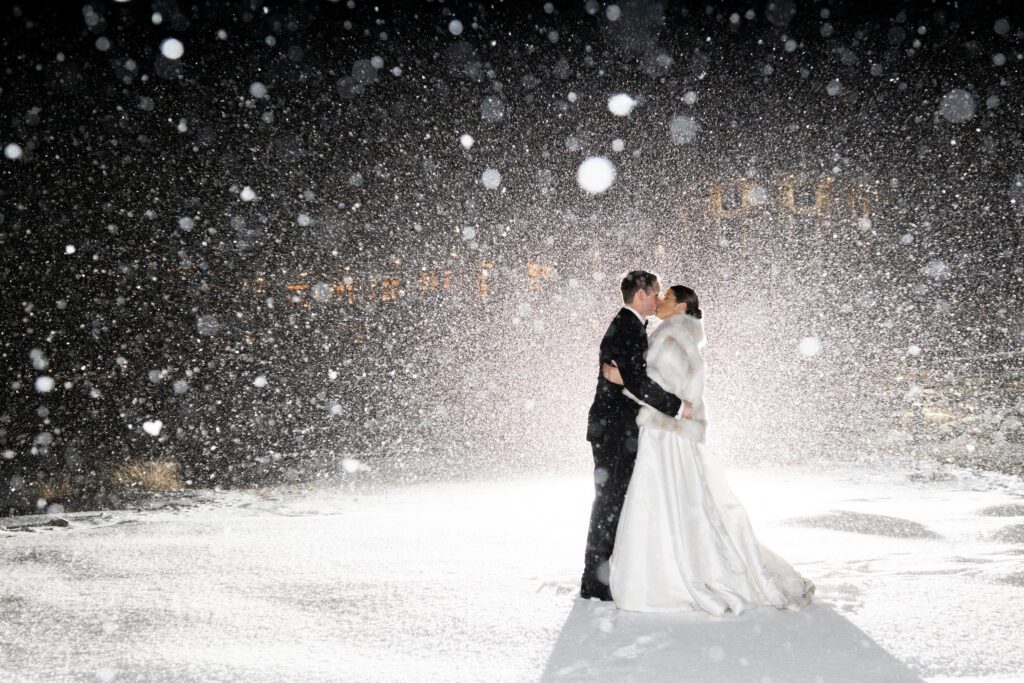
Night portraits are something we love creating, but during other times of the year, darkness might not arrive until you’re well into your reception. Nobody wants to hear, “Hey, we know you’re currently having the time of your life with 150 of your favorite people, but can you disappear with us for 20 minutes?”
At a winter wedding, darkness is already there.
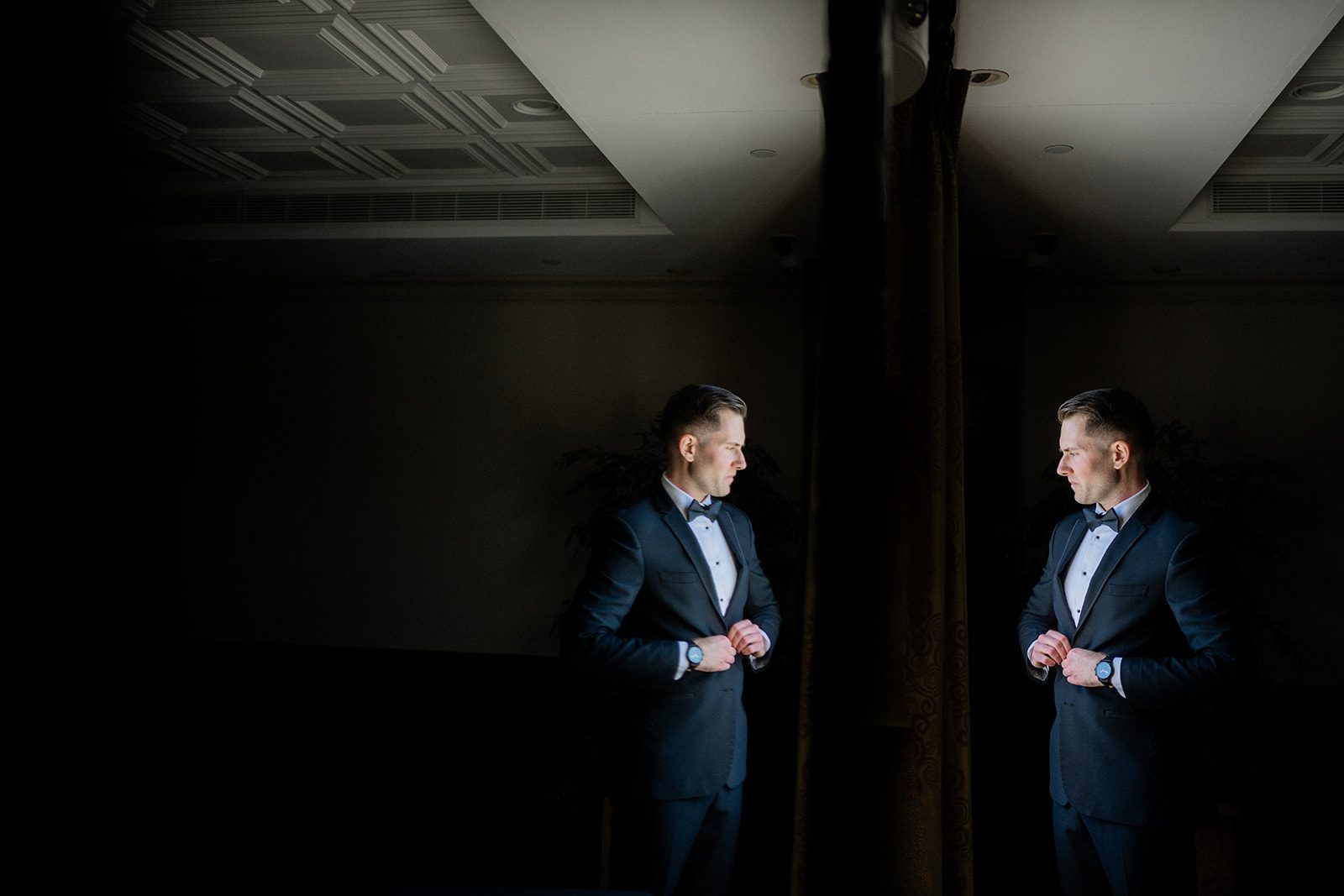
That gives us a chance to play with city lights, holiday lights, interesting architecture, reflections, candlelight and off-camera flash without having to pull you away from the party later in the evening. A waterfront venue with the NYC skyline behind you can look completely different at night. An estate that felt bright and airy during the afternoon can suddenly feel moody and dramatic. Even a quiet corner outside your venue can become something completely different once we start creating our own light.
And that’s an important thing to remember about winter wedding photography in general: beautiful light doesn’t always have to be natural light. Sometimes the best photograph of the day happens next to a giant window at 2 PM. Sometimes it happens outside at 7 PM with the skyline glowing behind you. Sometimes it happens in a dark hallway that probably didn’t look like much when you walked past it earlier.
Winter gives us a little bit of everything. And when the sun goes down at 4:30, that doesn’t mean the good light is over. Sometimes that’s when things start getting really interesting.
Winter Wedding Fashion Is Elite
We touched on this earlier, but it deserves its own section because winter wedding fashion is just really, really good.
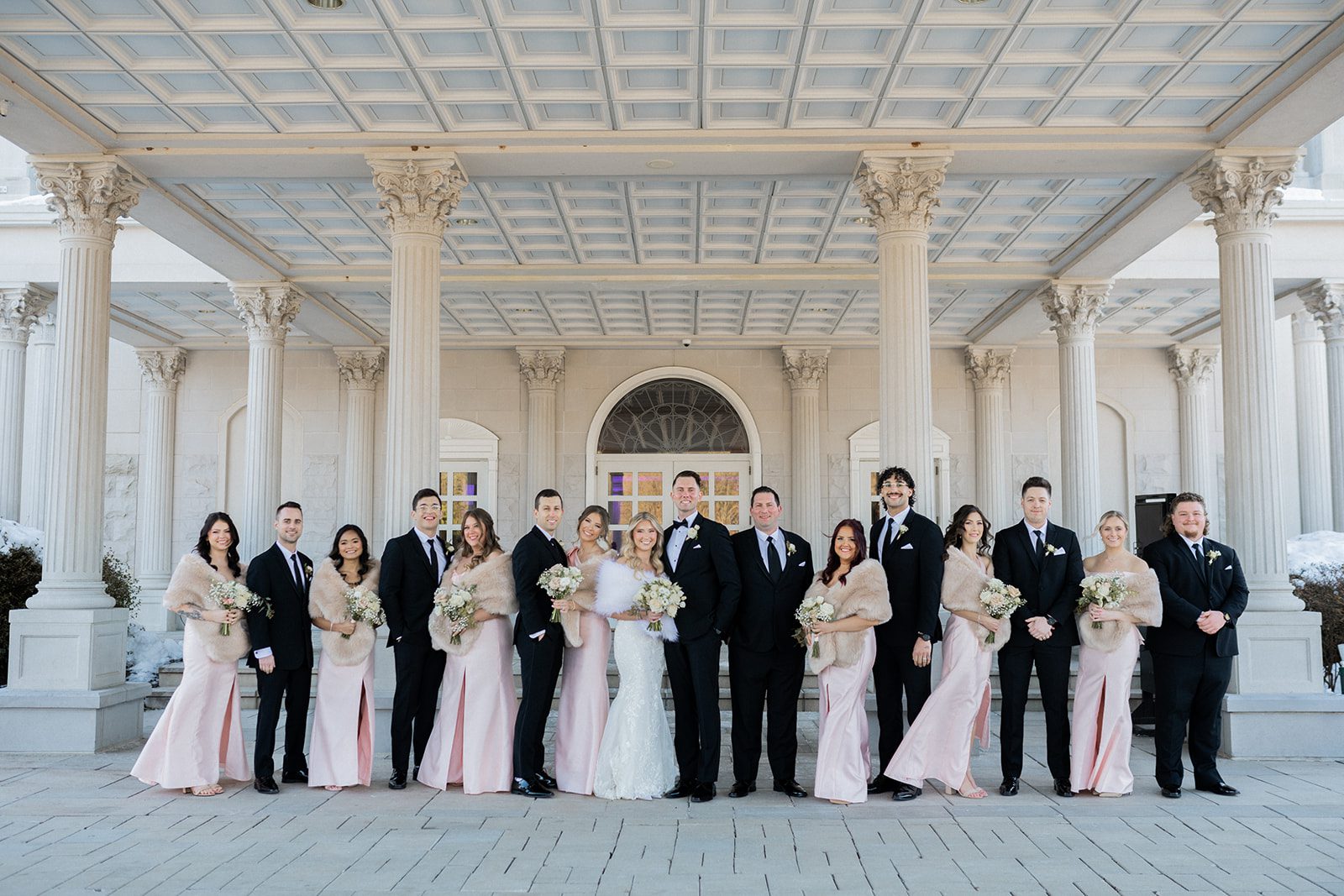
This is the season for the stuff that might otherwise feel like a lot. Long sleeves. Structured gowns. Heavy satin. Dramatic veils. Capes. Gloves. Faux fur. Tuxedos. Velvet dinner jackets. Dark tailoring. A great overcoat. Winter gives you permission to add a little more texture, a little more drama, and honestly, just have some fun with it.
The same goes for your wedding party. Deep greens, burgundy, navy, black, champagne and other richer tones look incredible this time of year. Fabrics can have more weight and texture. Suits can be darker. And if you’ve been debating whether asking everyone to wear black tie is “too much,” this is probably the season where nobody is going to question it.
There’s also the practical side of winter fashion, and this is where we strongly encourage you to choose comfort over suffering for the sake of a photograph. Bring the boots. Wear the warm socks. Have a coat nearby. You can absolutely wear your gorgeous wedding shoes for the photos where we can actually see them, then put on something warmer when we’re walking through snow, slush or whatever New Jersey has decided to put on the ground that day. Nobody will know what’s happening underneath that dress.
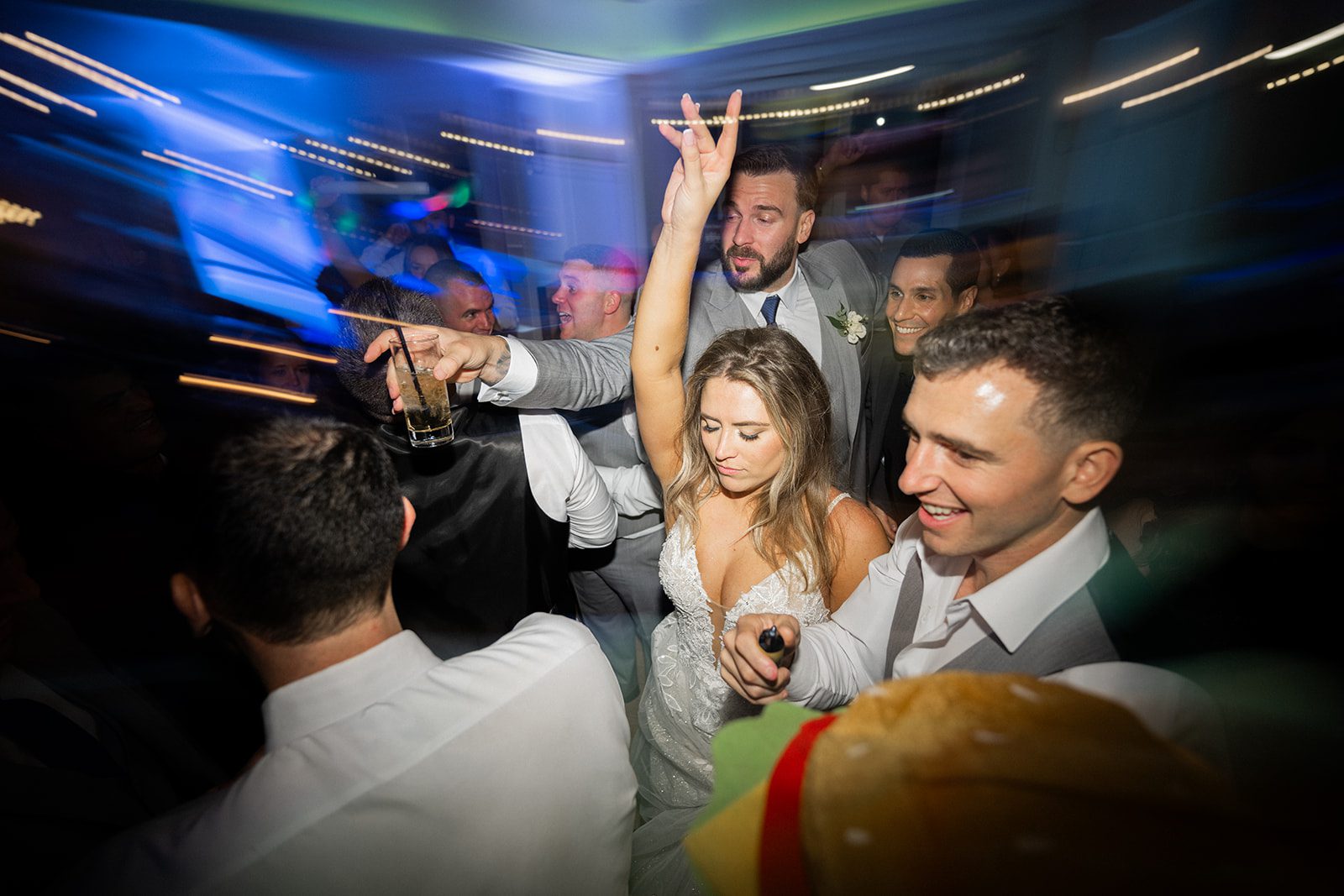
And don’t forget that your reception gives you another opportunity to have fun with it. If you love the idea of a dramatic ceremony look but don’t necessarily want to dance in it for four hours, change into something else. Different dress, different jacket, different shoes. Your wedding doesn’t have to have one look from beginning to end.
If you’ve always wanted your wedding to feel like an occasion, winter gives you permission to go for it.
What a Great Winter Wedding Timeline Actually Looks Like
We’ve talked a lot about early sunsets, first looks, indoor photos and leaving yourself a little extra time. So what does that actually look like when you put it all together?
Let’s say you’re getting married in December, sunset is around 4:30 PM, your ceremony starts at 5:00 PM, and everything is happening at or near the same venue. Here’s one way we might build the day:
1:30 PM Photography begins, details and getting ready
2:00 PM Get dressed
2:15 PM First look
2:30 PM Couple portraits
3:00 PM Wedding party photos
3:30 PM Family photos
4:15 PM Head inside, warm up and touch-ups
5:00 PM Ceremony
5:30 PM Cocktail hour
6:30 PM Reception begins
7:30 PM Dinner, speeches and dancing
8:00 PM Quick night portraits
8:15 PM Back to the party
9:30 PM Photography coverage wraps
The important part isn’t the exact times. Every wedding is different, and yours might have a church ceremony, multiple locations, a larger family, a longer ceremony or something else that changes the equation. It’s the order of things that matters.
We’ve intentionally put the photos that benefit most from daylight earlier in the day. You get to have your first look without rushing, spend some time together for portraits, photograph your wedding party and get the majority of your family photos finished while everyone is already together. Then you have time to head inside, warm up, fix your hair, grab some water and breathe for a minute before the ceremony.
Once the ceremony starts, the pace changes completely. Instead of walking out of the ceremony with a giant list of photos still hanging over your head, you can actually go enjoy your cocktail hour, say hello to people and eat some of the food you spent six months choosing. Later, once dinner and dancing are underway, we can sneak outside for a few night portraits and have you back on the dance floor before anyone realizes you were gone.
And notice that we’re not trying to cram every possible photograph into the day. We’re putting things where they naturally make sense so that your wedding still feels like a wedding, not an eight-hour photoshoot with a ceremony somewhere in the middle.
That’s ultimately what a good timeline should do. Give us enough time to create great photographs, give your other vendors enough room to do their jobs, and most importantly, give the two of you enough space to actually enjoy the day you planned.
The Winter Wedding Checklist: Don’t Forget These
Alright, we just threw a lot at you.
The good news is that planning a great winter wedding really isn’t complicated. You just have to think through a few things that might not come up during other parts of the planning process.
So before you disappear down another wedding-planning rabbit hole, save this list somewhere.
Before Booking Your Venue
- Do we love the inside of the venue just as much as the outside?
- Is the indoor ceremony space somewhere we’d actually be excited to get married?
- Are there beautiful indoor locations for portraits?
- Is there enough space indoors for family and wedding party photos?
- Are the getting-ready spaces somewhere we’d actually want to spend the morning?
- Is cocktail hour comfortable if everyone stays inside?
- Are there covered outdoor areas we can use if the weather isn’t cooperating?
- What time does the sun set on our wedding date?
When Building Your Timeline
- Are the portraits we want in daylight scheduled early enough?
- Are we doing a first look?
- Will family photos happen before or after the ceremony?
- Have we built in enough time to warm up between outdoor photos?
- Are we traveling between locations?
- Have we added extra travel time in case the weather is bad?
- Is there a little breathing room in the schedule if something runs late?
- Have we left an opportunity for some night portraits?
For Your Guests
- Is there a coat check?
- Is parking easy, or would valet make the experience better?
- Are we providing transportation from the hotel?
- Will guests have to wait or walk outside at any point?
- If part of the wedding is outdoors, have we told everyone ahead of time?
- Do we have a hotel block nearby?
- What’s the transportation plan if the weather gets ugly?
- Is there somewhere warm and comfortable for guests to go as soon as they arrive?
For Yourselves
- Comfortable shoes or boots we don’t mind getting wet?
- A coat, wrap or something warm nearby?
- Hand warmers?
- Umbrellas?
- An indoor photo plan we genuinely love?
- A little flexibility if Mother Nature changes our plans?
- And if we wake up to fresh snow or the light outside suddenly looks incredible…are we willing to sneak out for ten minutes and have some fun with it?
That’s really it.
You don’t need perfect weather. You don’t need six inches of fluffy white snow. And you definitely don’t need to spend your wedding day checking the weather app every 20 minutes.
Plan a wedding that works beautifully no matter what winter gives you. Then if winter decides to show off a little, consider it a bonus.
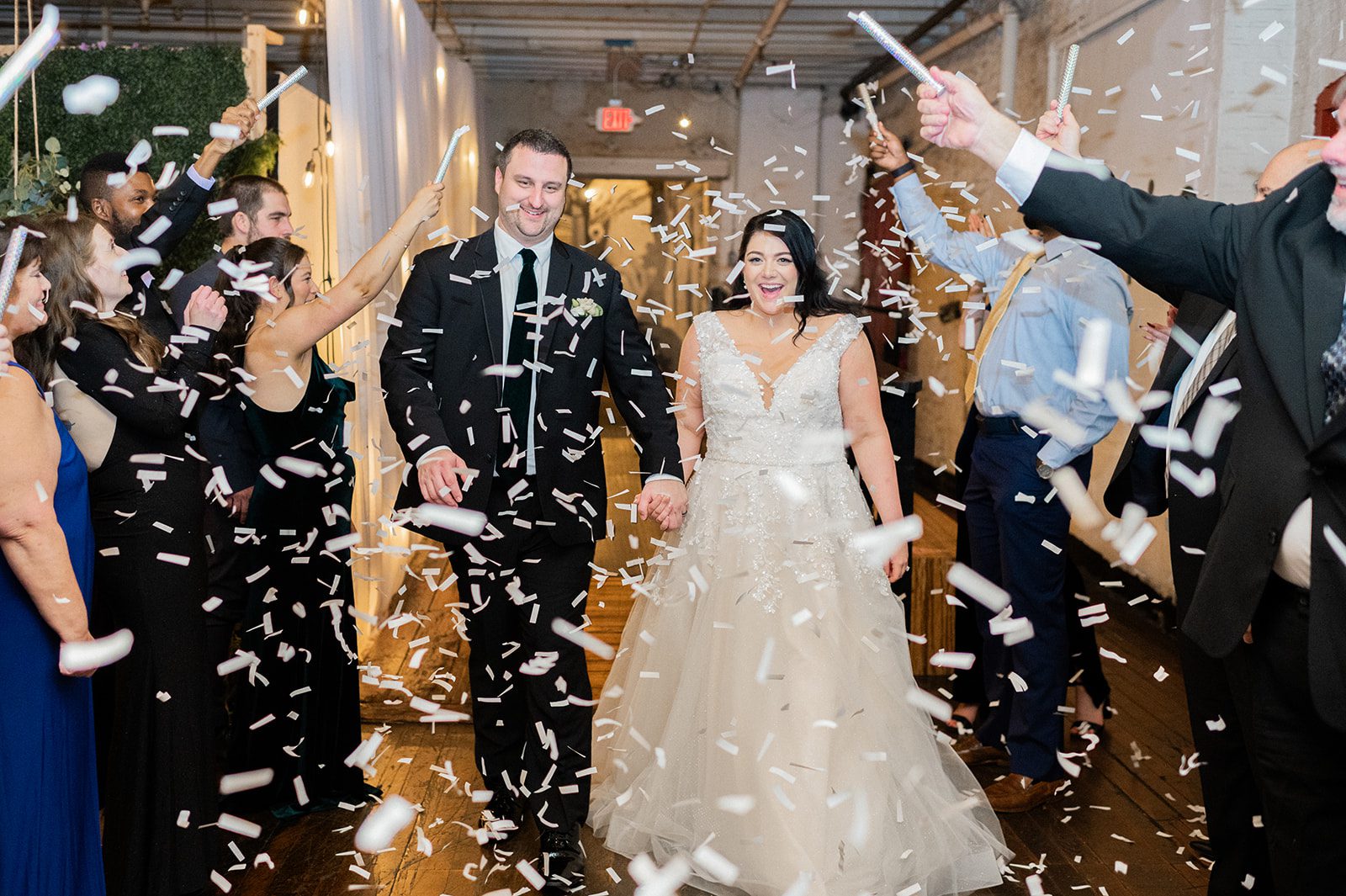
If there’s one thing we hope you take away from all of this, it’s that a winter wedding isn’t something you need to work around. Lean into it. Wear the tux. Light all the candles. Keep Grandma inside. Have a weather plan, build your timeline around the early sunset, and if you wake up to six inches of fresh snow on your wedding morning…go play in it.
After 17 years of weddings, some of our favorite days have been the ones where couples stopped worrying about what the weather was supposed to do and simply enjoyed what was happening around them. Winter can be unpredictable, but with a little thoughtful planning, it can also be pretty damn beautiful. And hopefully this guide gives you a few more reasons to feel really good about choosing it.