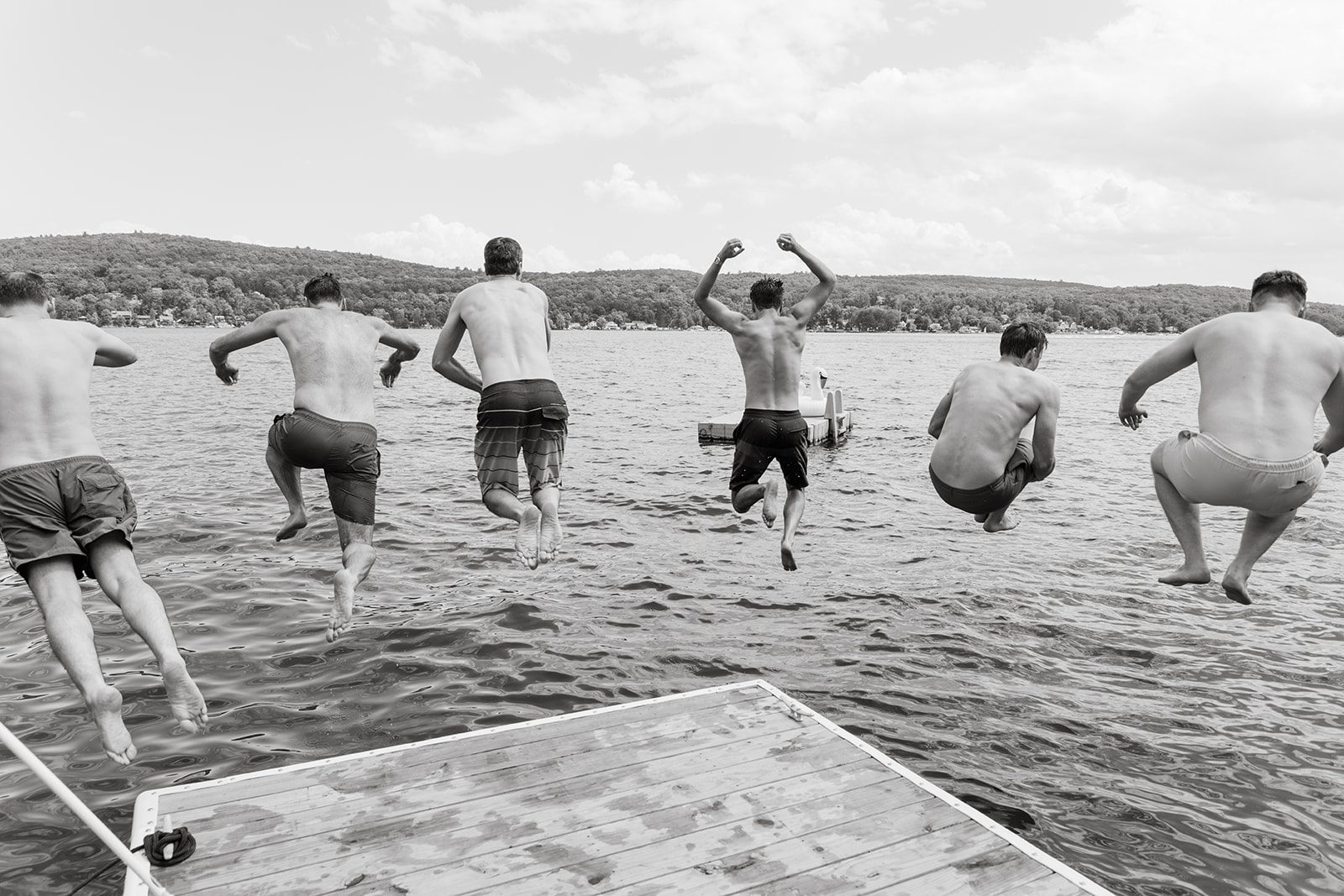
Because for a lot of couples, it really does.
It’s not because the wedding wasn’t beautiful, or because they didn’t have an incredible time. It’s because modern weddings have quietly become productions. There are timelines to follow, family members to coordinate, photos to take, outfits to change into, transportation to catch, content to create, and a surprising number of people who suddenly need an answer from you right when you’re trying to eat one ravioli during cocktail hour.
None of these things are inherently bad. A good timeline keeps the day moving. Thoughtful details can make a wedding feel personal. Family photos matter. And yes, if you spent months choosing the flowers, the dress, the stationery, and the perfect shade of napkin, you probably want to actually see those things come together.
The problem is when the logistics of having a wedding start getting in the way of experiencing your wedding.
Somewhere along the way, couples started optimizing weddings for output instead of experience. We think about how the room will look, how the photos will look, what guests will think, what will make good content, and whether we managed to fit everything we were “supposed” to do into eight or ten hours. Meanwhile, the two people the entire day is supposed to be about can end up feeling like they’re being shuffled from one obligation to the next.
I’ve photographed enough weddings to notice something interesting: the weddings people seem to remember most fondly usually aren’t the ones trying hardest to impress everyone. They’re the ones where the couple has enough room in the day to actually be present for it.
They get to finish a conversation. They sit down and eat. They notice who showed up for them. They hug their parents without immediately being told where they need to go next. They spend twenty minutes on the dance floor without wondering whether they’re running behind. They have little moments together that weren’t written into the timeline at all.
And years later, those are often the parts that matter.
Because your wedding isn’t something you’re producing for everyone else to consume. It’s one of the rare days in your life when nearly everyone you love is in the same place, at the same time, because of the two of you.
You should actually get to be there for it.
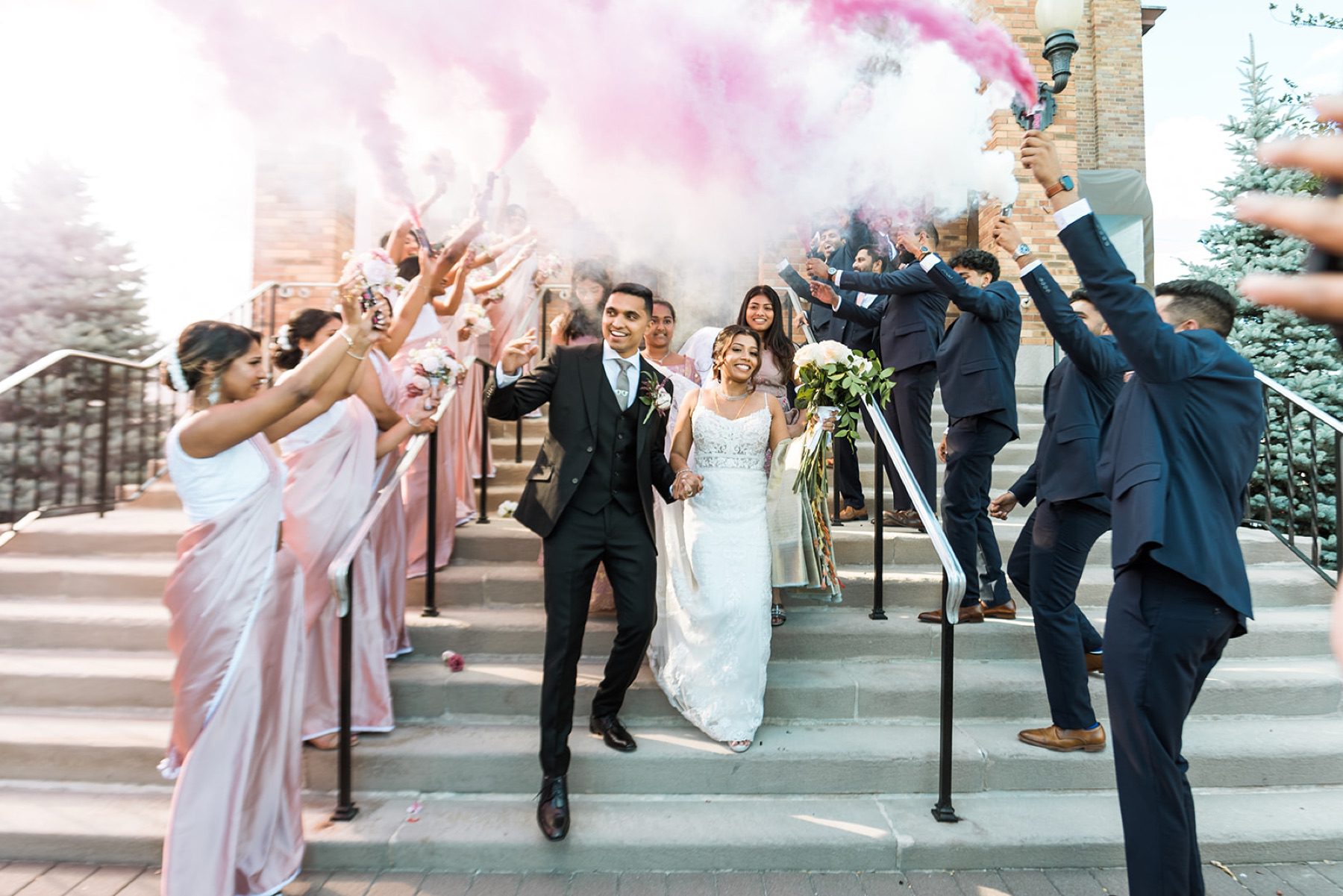
One of the strange things about weddings is that you can have a perfectly organized timeline and still feel rushed the entire day.
On paper, everything fits. Hair and makeup ends on time. There’s enough time for the first look, family photos, the ceremony, cocktail hour, dinner, speeches, and dancing. Nothing looks unreasonable by itself.
But a timeline isn’t just logistics. It’s emotional pacing.
There’s a difference between having enough time to do something and having enough time to actually experience it. When every moment ends with someone saying, “Okay, we have to go,” the wedding starts to feel like a series of transitions. Finish getting ready. Take photos. Get in the car. Get out of the car. Take more photos. Hide for the ceremony. Go to cocktail hour. Make your entrance. Sit down. Stand up. Change outfits. Cut the cake. Go dance.
This usually happens because couples are understandably afraid of missing something. You only get one wedding day, so the instinct is to fit in as much as possible. Another photo location. Another decor moment. Another outfit. Another tradition. Another piece of content.
The problem is that everything you add takes more time than it appears to on paper. A fifteen-minute location change involves gathering people, finding belongings, getting into cars, dealing with traffic, and settling in again. A quick group photo means finding the uncle who wandered off to the bar. These little transitions quietly eat away at the day.
And what usually gets sacrificed isn’t something on the timeline. It’s the space between the things on the timeline.
It’s the ten minutes after your ceremony when you could just be married for a second. It’s actually having a drink at cocktail hour. It’s sitting down long enough to eat your dinner while it’s hot. It’s seeing an old friend across the room and having time to go talk to them.
The couples who enjoy their weddings most tend to protect that breathing room on purpose. Not because they care less about the details, but because they understand that the feeling of the day matters more than maximizing every minute.
So when you’re building your timeline, don’t just ask, “Can we fit this in?”
Ask whether fitting it in will make the wedding better.
Sometimes the best thing you can add to your wedding day is nothing at all.
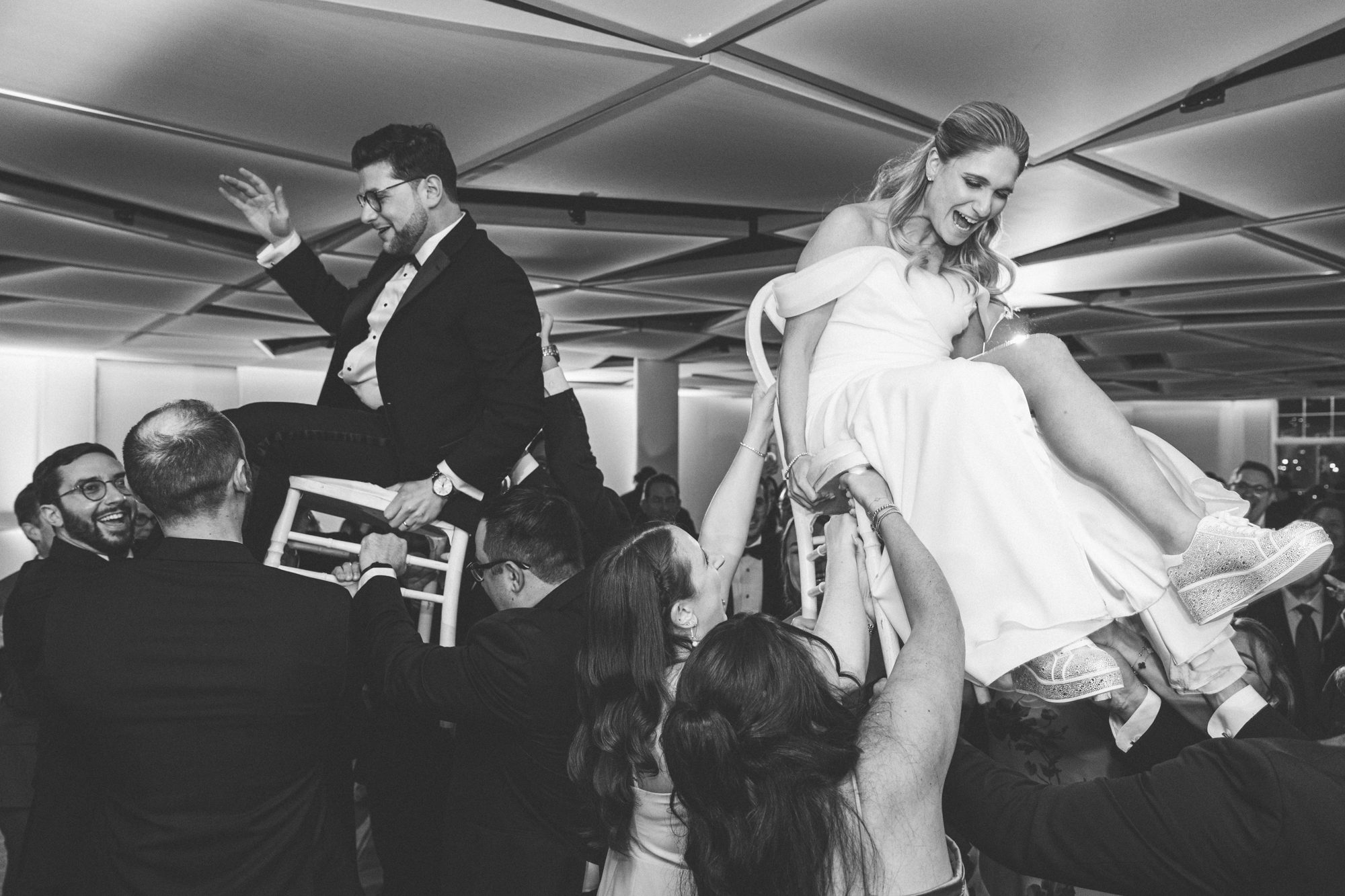
Of course you want your wedding to look beautiful.
You’ve probably spent months thinking about the venue, flowers, tables, invitations, lighting, outfits, and a hundred other details your guests may never realize required a decision.
But somewhere along the way, Instagram taught us to experience weddings visually before we experience them emotionally.
We see the tablescape. The ceremony installation. The champagne tower. The perfectly styled flat lay. And because those are the things that photograph well, it’s easy to start planning a wedding around what it will look like rather than what it will actually feel like to be there.
Your guests experience it differently.
Nobody drives home saying, “Those charger plates changed my life.”
They remember the energy in the room. They remember whether dinner was great and the drinks were flowing. They remember the friend who gave the hilarious speech, the packed dance floor, and your dad doing something nobody expected. Most of all, they remember whether the two of you seemed genuinely happy to be there.
We’ve photographed weddings that looked incredible but somehow felt stiff. Everything was perfect, but everyone seemed afraid to mess it up. And we’ve photographed weddings where the wind knocked something over, the timeline ran twenty minutes late, somebody spilled a drink, and the dance floor became complete chaos.
Guess which wedding everyone was still talking about at the end of the night?
The best weddings aren’t necessarily the most polished. They’re the ones where people feel comfortable enough to have a good time.
That doesn’t mean aesthetics don’t matter. They absolutely do. A beautiful environment can create atmosphere and make the whole experience feel special. But beauty should serve the experience, not become the experience.
And there’s another benefit couples don’t always expect: weddings that feel good usually photograph better too.
When you’re relaxed, laughing, moving around, hugging people, and actually enjoying the party you spent all this time planning, the photographs have something no amount of styling can manufacture.
They have life.
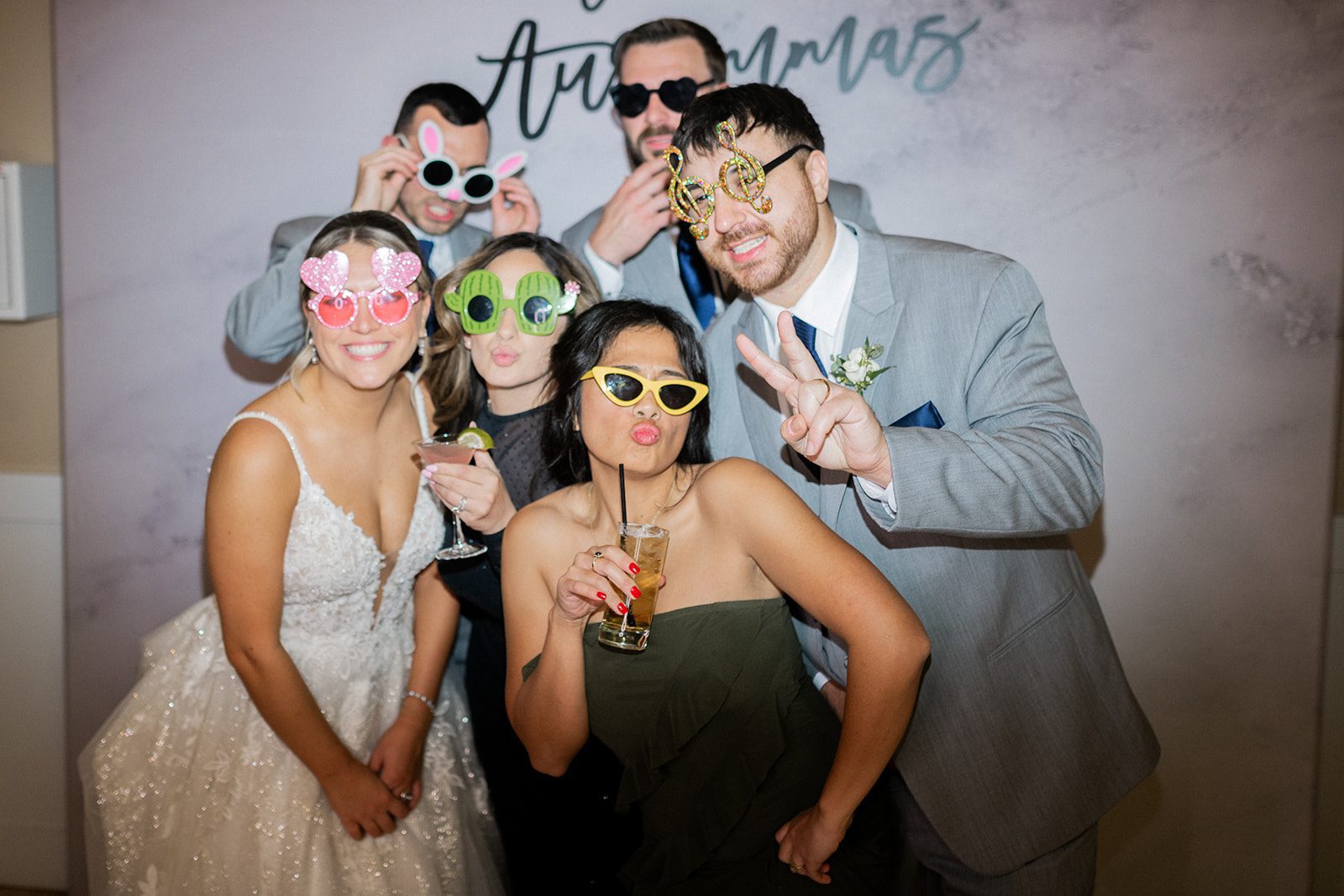
Almost every couple tells us some version of this before their wedding, and most of the time, they’re wrong. People usually aren’t bad at photos. They’re just not used to being photographed, especially for an entire day when they already have a hundred other things competing for their attention.
Think about how unusual the whole situation actually is. You’re dressed differently than you normally dress, surrounded by nearly everyone you know, probably experiencing more emotions in a few hours than you would in a normal week, and now we’re following you around with cameras documenting all of it. At certain points, we might ask you to stand somewhere specific, walk together, hold each other, or move toward better light while somehow expecting you to feel completely natural. Of course it can feel a little strange at first.
Where couples sometimes get stuck is thinking they need to be “good at photos.” They start wondering where to put their hands, whether they’re smiling naturally, what their posture looks like, or whether we’re catching their good side. The more you think about how you’re being perceived, the harder it becomes to actually be present. You can end up watching yourself have your wedding instead of simply experiencing it.
That’s why our job isn’t to turn you into models for the day. We’ll give you direction when you need it, but we also know when to back off and let something happen. The goal is to give you enough guidance that you never feel lost, without making every interaction feel like it exists for the camera.
The couples who look the most relaxed in photographs usually aren’t naturally more photogenic. They’ve simply gotten comfortable enough with us that they stop thinking about the cameras quite so much. They start paying attention to each other again. They laugh the way they actually laugh, hug people without thinking about how it looks, and react to whatever is happening instead of wondering what they’re supposed to do next.
That’s when the photographs start to feel like you.
So when couples tell us they’re awkward in photos, we’re rarely worried about it. You don’t need to practice being photogenic before your wedding. You don’t need to know how to pose or what to do with your hands. That part is our responsibility.
Your job is to get comfortable enough with us that eventually, you forget we’re there.
Most couples don't actually think they're awkward (well - maybe they do).
They just think:
"Please don't make us do any weird %$#&."
Or:
"I hate 99% of photos of myself."
Or:
"We have absolutely no idea what to do."
Most people aren't used to being professionally photographed - and a lot of wedding photography online feels more like performance art than actual humans being themselves.
Inside this short guide, we'll cover:
If you've ever looked at wedding photos and thought:
"Yeah... but that could never be us."
This was written for you.
Fill out the form below for instant access.

Yes and no.
Your guests probably won’t remember whether the napkins were ivory or eggshell, or whether you spent an extra week finding the perfect font for the welcome sign. But they’ll absolutely remember walking outside during cocktail hour and taking a gorgeous sunset selfie because the view was incredible. They’ll remember the food, especially if it was really good - or really bad. They’ll remember the energy in the room, whether the dance floor was packed, and whether people seemed genuinely excited to be there.
More importantly, they’ll remember whether they had a good time.
We think that distinction gets lost sometimes when couples are planning a wedding. Guest experience isn’t necessarily about giving people more things. It’s about thinking about how different people will actually experience the night. A packed dance floor is amazing if your crowd loves to dance. But what about your introverted friends, your older relatives, or the people who would rather catch up over a drink than spend three hours next to a speaker? Maybe there’s a photo booth they can disappear into with friends, a lounge away from the music, an outdoor patio, or simply somewhere comfortable to sit and talk.
Those things matter because a great wedding has more than one way to enjoy it.
We’ve seen beautiful weddings where the dance floor is the center of the universe, and we’ve seen equally great weddings where half the guests are outside talking while another group is taking ridiculous photo booth pictures and twenty people are going crazy on the dance floor. The measure of a good party isn’t whether every guest is doing the same thing. It’s whether people have found their version of a good time.
This is where we think it’s helpful to separate aesthetics from atmosphere. Aesthetics are what people see when they walk into the room. Atmosphere is what makes them want to stay.
So yes, make the wedding beautiful. Choose the flowers you love. Obsess over the tablescape if that genuinely brings you joy. But when you’re deciding where to put your time, money, and attention, think about the things your guests will actually experience.
Give them a beautiful sunset. Feed them well. Give the dancers somewhere to dance and the non-dancers somewhere to hide. Make it easy for people to relax, connect, and have a good time.
They may not remember the charger plates.
They’ll remember the night.
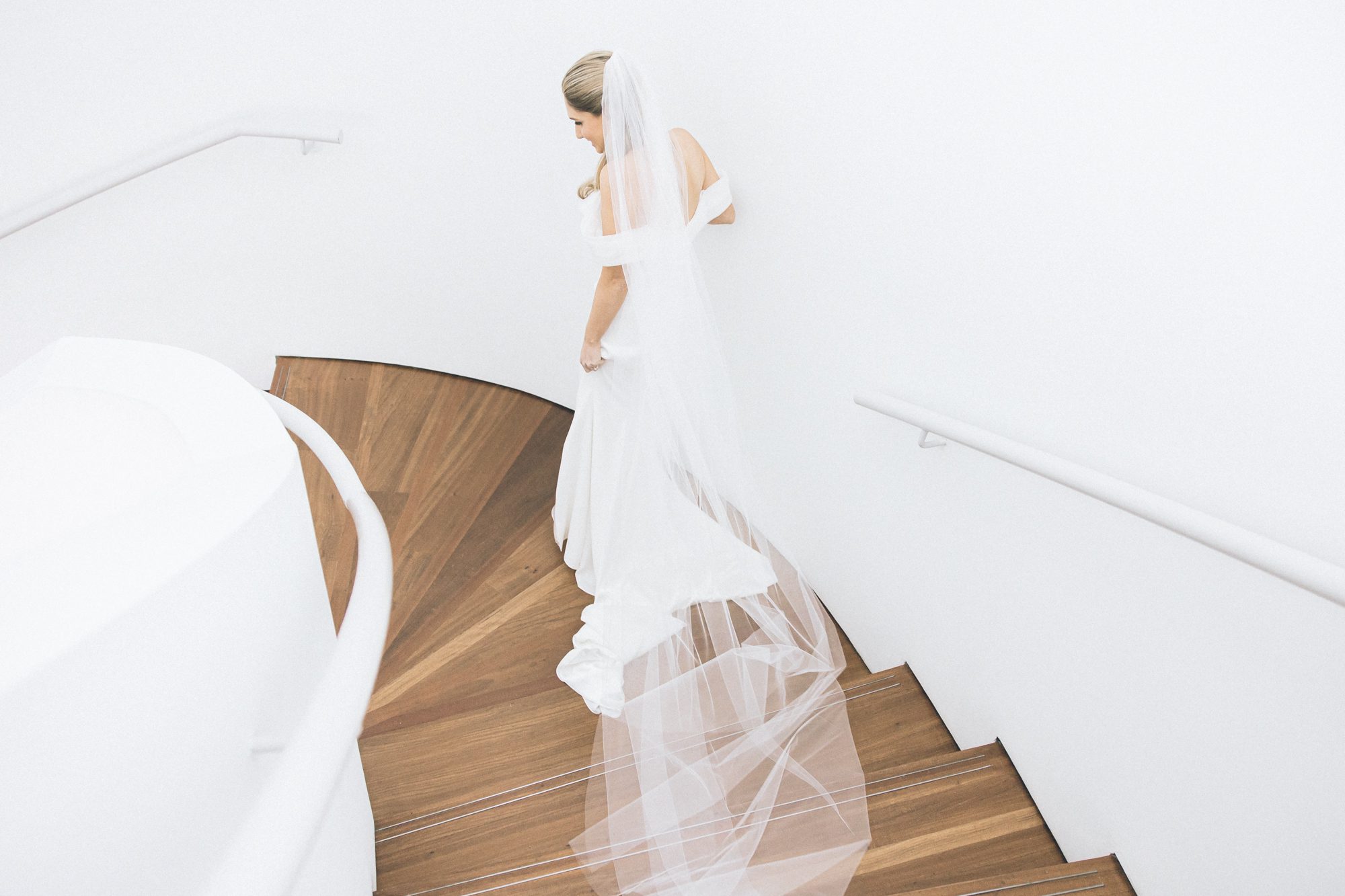
One of the easiest traps to fall into when planning a wedding is assuming that more things will make the day feel more special. More traditions, more photo opportunities, more surprises, more outfit changes, more planned moments. Individually, they can all sound like great ideas. The problem is that every one of them asks for a little piece of your attention.
That’s the part of over-scheduling we think couples underestimate. It isn’t just that a packed timeline can make you feel rushed. It can make the entire day feel fragmented.
The ceremony ends, and instead of standing there for a few minutes thinking, Holy crap, we’re married, someone is gathering everyone for family photos. You make it to cocktail hour, but part of your brain is already thinking about when we need to leave for sunset photos. Dinner arrives, but you know entrances, speeches, parent dances, or an outfit change are coming next. You’re physically in one moment while mentally preparing for another.
Do that enough times and something strange happens: you can have an amazing wedding filled with amazing moments and still feel like you barely experienced any of them.
We’re not saying you shouldn’t plan things. Some of the most memorable moments we’ve photographed were planned months in advance. But every addition to the wedding should probably earn its place. If you’re doing something because it’s meaningful, hilarious, culturally important, or you genuinely can’t imagine the day without it, great. If you’re doing it because you saw it at another wedding or someone told you that weddings are supposed to have it, that’s worth questioning.
We’ve also found that some of the best parts of a wedding happen in the margins anyway. It’s the conversation that runs longer than expected, the friends who pull you onto the dance floor, the five quiet minutes you get together after the ceremony, or the moment you look around during dinner and realize that nearly everyone you love is sitting in the same room.
You can’t really schedule those moments. You can only leave enough room for them to happen.
A good wedding doesn’t need to keep everyone entertained every minute. And you don’t need to squeeze every possible wedding experience into one day just because you only get to do this once.
Sometimes enjoying more of your wedding means planning a little less of it.

We’ve photographed weddings at spectacular luxury venues, and we’ve photographed much simpler celebrations in backyards and small restaurants. One thing we’ve learned is that hospitality has surprisingly little to do with how much money was spent.
It has much more to do with whether people feel taken care of.
Guests notice when a wedding flows. They may not know why cocktail hour felt effortless or why dinner came out at exactly the right time, but they feel the result. Nobody is standing around wondering where they’re supposed to go. The couple isn’t being interrupted every five minutes with questions. Parents aren’t trying to solve logistical problems. Dinner doesn’t grind to a halt because nobody knows when speeches are happening. Things just seem to work.
And a huge part of that comes down to the professionals you hire.
A great planner or coordinator isn’t just making a timeline. They’re absorbing problems before those problems ever reach you. A great catering team knows how to move hundreds of people through dinner without making the evening feel like an operation. A great DJ or band can feel when the room is ready to dance - and when it isn’t. A great photo and video team knows how to get what they need without constantly pulling you away from your guests. And when all of those people communicate well with each other, you can feel the difference.
We see the opposite, too. A small delay happens, nobody knows who is making the call, three vendors come to the couple with three different questions, and suddenly the bride and groom are managing their own wedding. Even if guests never know exactly what went wrong, they can feel that tension in the room.
This is one of the reasons we tell couples that hiring experienced professionals isn’t just about getting a better product. You’re also hiring judgment. You’re hiring people who have seen the weather change ten minutes before a ceremony, watched transportation arrive late, dealt with a missing family member during portraits, adjusted dinner because speeches ran long, and solved a hundred other little problems without making them your problem.
That experience creates calm.
And calm is contagious. When you’re not worried about what’s happening next, your family relaxes. Your wedding party relaxes. Your guests relax. You can sit through dinner without checking the time, stay in a conversation a little longer, and actually enjoy the party because you trust that someone else is paying attention to everything happening behind the scenes.
The best-run weddings often don’t feel particularly well-run. They just feel easy.
That’s usually the point.

Choosing wedding vendors is strange because you’re usually hiring people based on a version of their work that has already been edited, curated, and polished. You see the beautiful portfolio, the perfect Instagram grid, the five-star reviews, the follower count. All of that can tell you whether you like someone’s work. It doesn’t necessarily tell you what it will feel like to work with them when something goes wrong.
And at weddings, something almost always goes wrong.
It might be small. A boutonniere disappears. A family member is late for photos. The ceremony runs twenty minutes behind. It might be bigger: rain arrives when the forecast said otherwise, transportation gets stuck in traffic, or a vendor needs to completely change plans with very little time to do it.
After photographing weddings for as long as we have, we’ve learned that you really get to know a vendor in those moments.
The best professionals rarely make a show of solving problems. They communicate clearly, make a decision, coordinate with the other vendors, and keep things moving. Half the time, the couple never even knows there was a problem. That’s a very different skill from having a beautiful Instagram account.
We also pay attention to how vendors make people feel. Are they calm around your family? Do they treat the venue staff well? Can they adjust when the timeline changes without making everyone feel like the wedding is falling apart? Do they understand that getting their job done is important, but that the wedding itself is more important?
That last one matters to us a lot. The best vendor teams don’t operate like a collection of people competing for time. We’re all there to make the same wedding work. Sometimes that means we need five more minutes for photographs. Sometimes it means we put the cameras down because the kitchen needs to get dinner out while it’s hot. Experienced professionals understand those tradeoffs and work them out with each other instead of making the couple referee.
This is also why we think conversations matter so much when you’re choosing vendors. Pay attention to what happens to your stress level after you talk to someone. Do you leave the conversation feeling like they understood what matters to you? Did they answer your questions clearly? Did they notice things you hadn’t considered without making you feel like you were doing everything wrong?
Or did you somehow leave with twelve new things to worry about?
You’re not just hiring someone because you like what they create. You’re inviting them into a day where you’ll have very little control over what happens next.
So one of the simplest questions you can ask yourself is: Do we feel more relaxed after talking to this person, or more stressed?
We’d take the person who makes the room calmer every time.

There’s a funny contradiction we’ve noticed after photographing weddings for all these years: the weddings with the best photographs are rarely the weddings where the couple spends the entire day trying to make great photographs.
Usually, it’s the opposite.
The best photographs tend to come from weddings with good energy, people who are comfortable with each other, and couples who trust us enough to stop wondering whether something is going to look good in a photo.
Because there’s only so much we can manufacture. We can find beautiful light. We can put you in a good spot. We can give you direction when you need it. But we can’t manufacture the way your dad looks at you during the ceremony. We can’t recreate your friends losing their minds when a certain song comes on. We can’t schedule the exact second your spouse says something that makes you laugh so hard you forget there are cameras around.
And those are usually the photographs people end up caring about.
Sometimes couples feel like they need to help us create these moments. They’ll look toward the camera during something emotional, repeat something because they think we missed it, or start thinking about what they’re supposed to be doing with their hands. We understand the instinct. You hired us to make great photographs. You want to make sure we get them.
But that’s our job.
Your job is to have the wedding.
The more attention you give to performing a moment, the less attention you have left to actually experience it. And ironically, that little bit of self-consciousness often shows up in the photographs too.
So trust us to worry about the light, the timing, the composition, and whether we got the shot. You worry about hugging your mom, listening to the speech, eating the food, and staying on the dance floor when your favorite song comes on.
The photographs will take care of themselves.
Or, more accurately, we’ll take care of them.
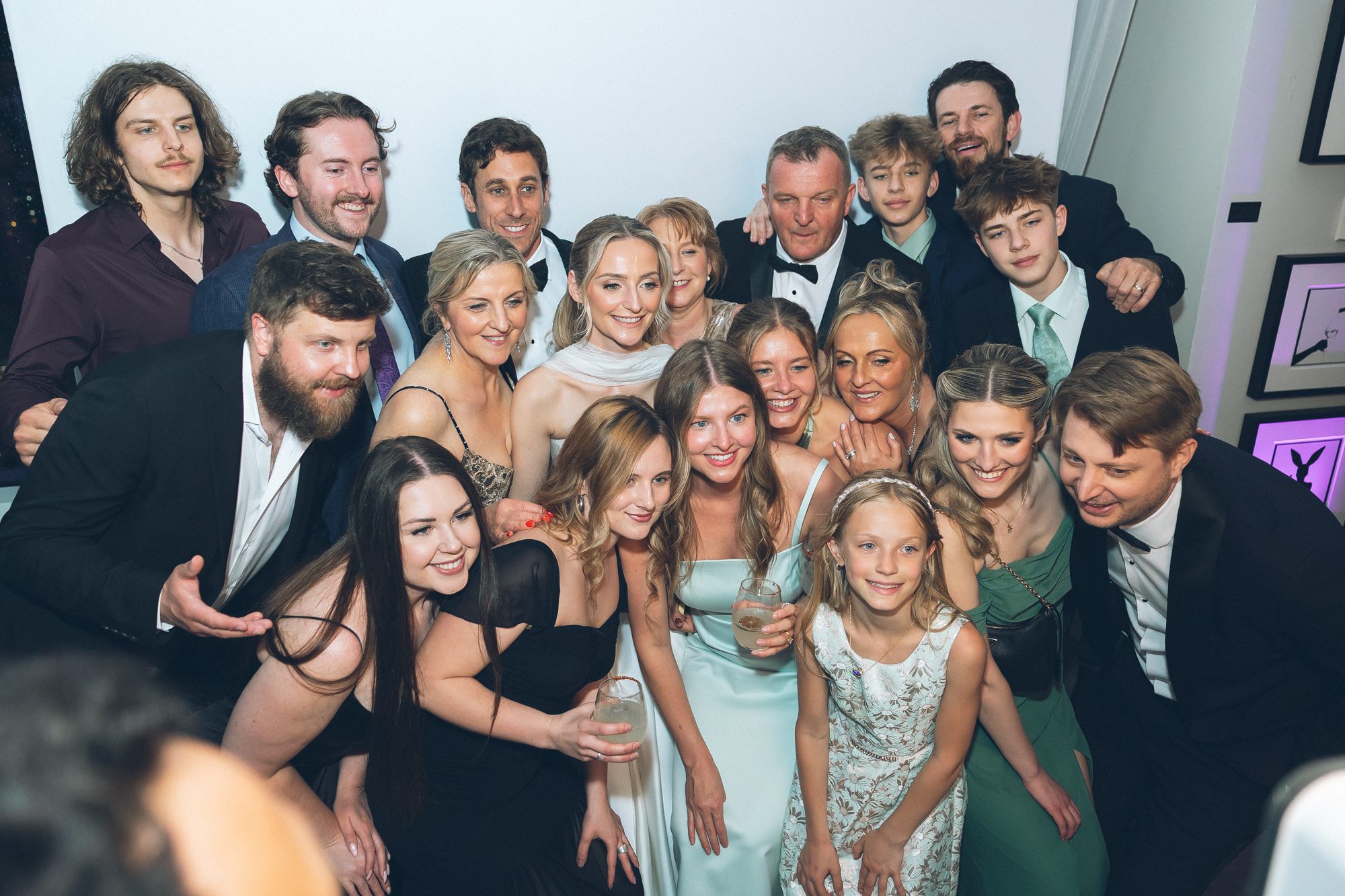
A wedding is one of the very few times in your life when almost everyone you love will be in the same room at the same time. When you really think about that, it’s kind of incredible.
Your parents are there. Your siblings. The friends who knew you before you knew your spouse, and the friends who watched the two of you fall in love. There are people who flew across the country—or across the world—to celebrate with you. People from completely different chapters of your lives are suddenly eating dinner together, dancing badly together, and somehow ending up in the same photo booth.
You spent months, maybe years, making all of this happen. So when the day finally arrives, give yourself permission to actually be there for it. Let the professionals you hired worry about the timeline. Let someone else figure out where Uncle Bob wandered off to. If dinner is running ten minutes late, dinner is running ten minutes late. Chances are, nobody is going to remember.
What you might remember is spending twenty minutes worrying about it.
That’s really what this whole guide is about. It’s not about caring less. We think you should care deeply about your wedding. Choose the beautiful flowers. Find the amazing food. Think about your guests. Hire people you trust. Plan the hell out of it beforehand so that when the day finally comes, you can stop planning.
Then eat the food you spent six months choosing. Finish the conversation with the friend you haven’t seen in two years. Hug your parents a little longer. Stay for another song. Find your spouse in the middle of everything and spend some actual time together. It sounds obvious, but weddings have a strange way of making the obvious things surprisingly difficult.
And at some point during the night, look around the room. Really take it in. There’s a good chance you’ll never have this exact group of people together in one place again. Your wedding may be the only time in your life when all of these different worlds overlap for a few hours.
Hopefully, somewhere in the middle of all of it, you have that slightly surreal thought: “Wait… this is actually happening.”
Years from now, you probably won’t remember whether dinner started at 7:15 or 7:27. You may not remember the flowers on every table or what was written on the welcome sign. But you’ll remember what the room felt like. You’ll remember who was there. You’ll remember looking at the person you married and realizing that everyone you love showed up to celebrate the two of you.
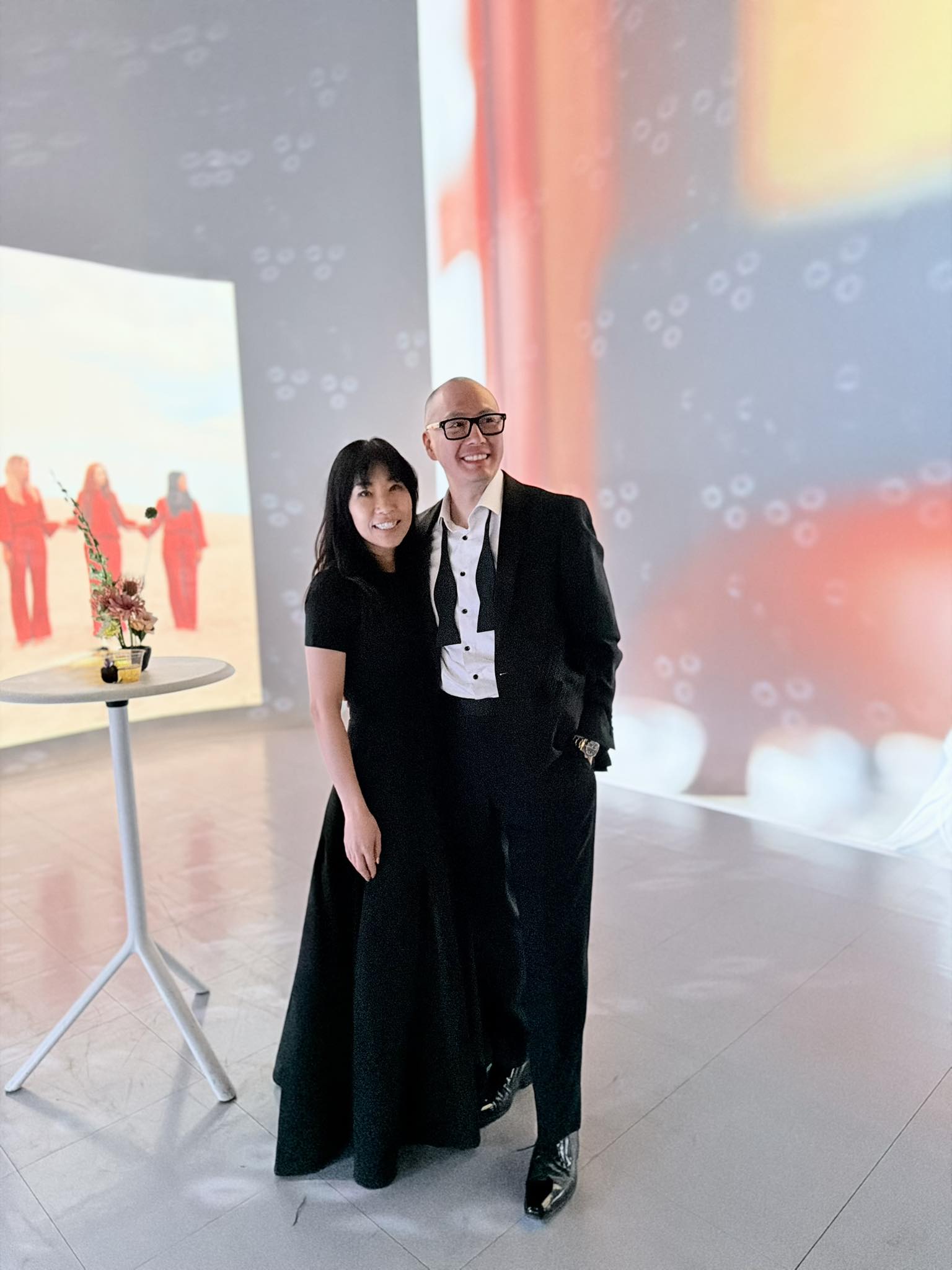
If you are currently engaged and looking for a wedding photographer to help document one of the most amazing days in your lives, we would love to hear your plans and seeing what we can do to be a part of them!
- Ben & Karis

SERVING NEW JERSEY, NEW YORK, HUDSON VALLEY, LONG ISLAND, AND DESTINATIONS WORLDWIDE






OFFICE HOURS // TUE-FRI, 9:00AM - 6:00PM
PHONE // BY APPOINTMENT ONLY